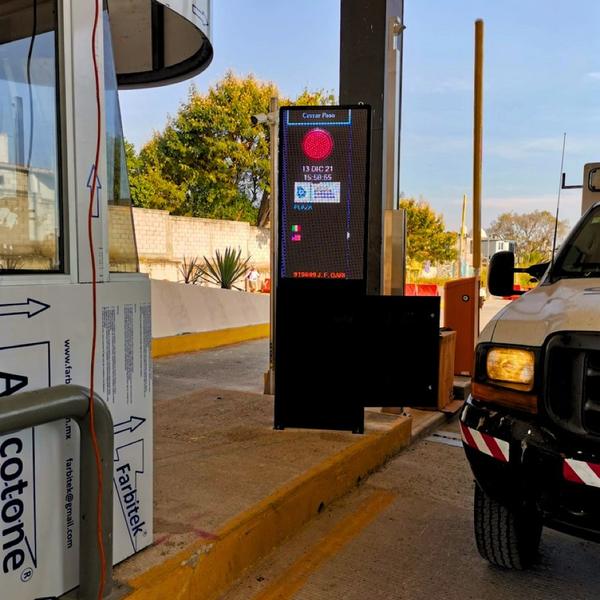
CAPUFE · Palmillas toll plaza
Federal government · Highway
Outdoor totem for toll rates and notices to drivers.
Model: Urban Series MUPI · Pitch: 3.3 mm outdoor

Sales · LED screens
Turnkey sales and installation for government, churches, retail and corporate spaces across Mexico. We survey the site, specify the panel from among our partner manufacturers, install it on an engineered structure and train whoever will operate it. One single point of responsibility from start to finish.
Simulate it in my space ↓See screen types ↓Discover Morphix ↗Already have your screen? We install it ↗Maintenance, even if we didn't sell it ↗
Installations delivered in 9 states
Projects
Our operations base is in Mexico City and the State of Mexico, and the rest of the country is served with travel, per diem and lodging for the installation crew already included in the quote: the number you receive is the final number.
Swipe to see more projects →
Federal government · Highway
Outdoor totem for toll rates and notices to drivers.
Model: Urban Series MUPI · Pitch: 3.3 mm outdoor
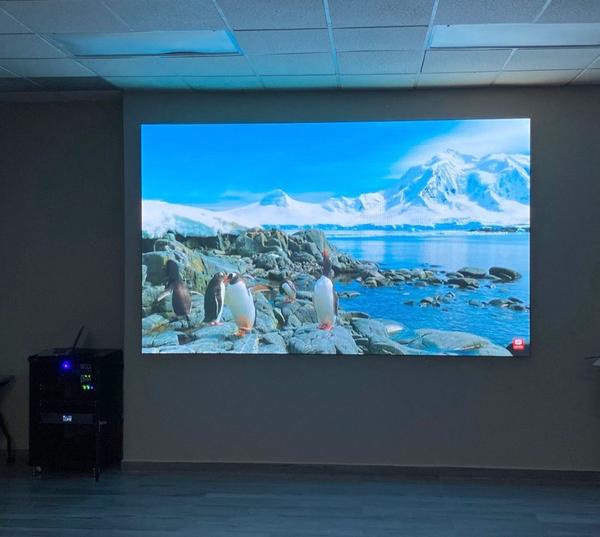
Matamoros, Tamaulipas
Fixed LED wall for board meetings and presentations.
Size: 2.20 × 1.92 m · Pitch: 2.5 mm
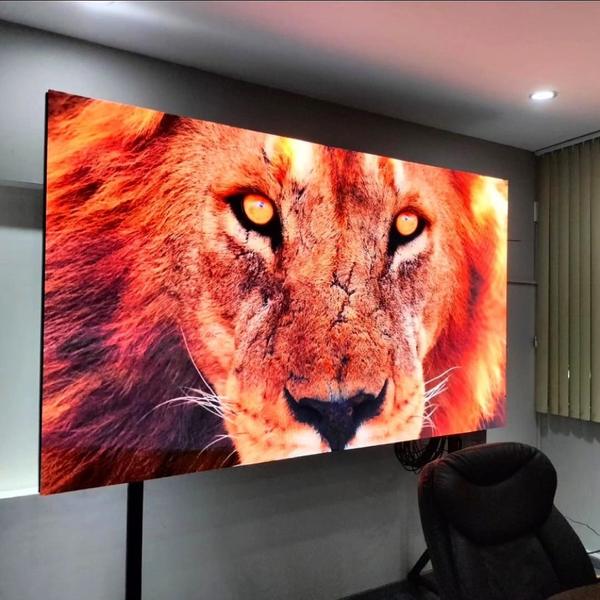
Lindavista, Mexico City
Fine pitch for close viewing: text and video two meters from the viewer.
Size: 2.24 × 1.28 m · Pitch: 1.5 mm indoor
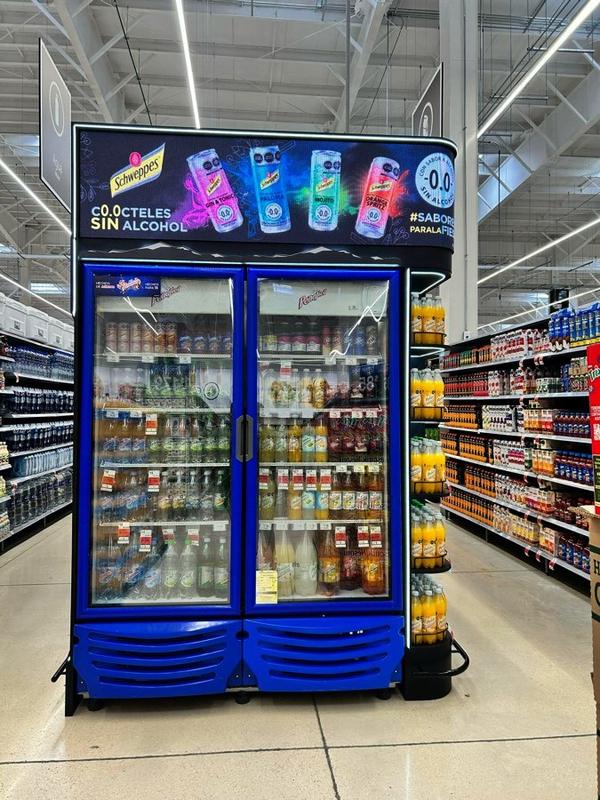
Cancún, Quintana Roo
Curved screen above the sales floor for point-of-purchase advertising.
Size: 144 × 48 cm · Pitch: 2.5 mm indoor
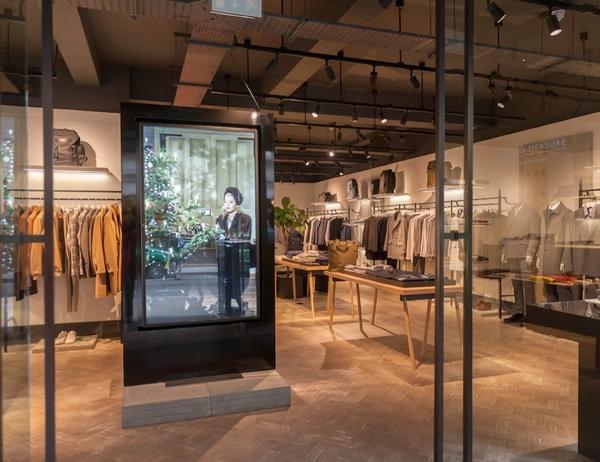
Puebla
Vertical LED poster in a shopping mall corridor.
Size: 64 × 192 cm · Pitch: 1.8 mm indoor
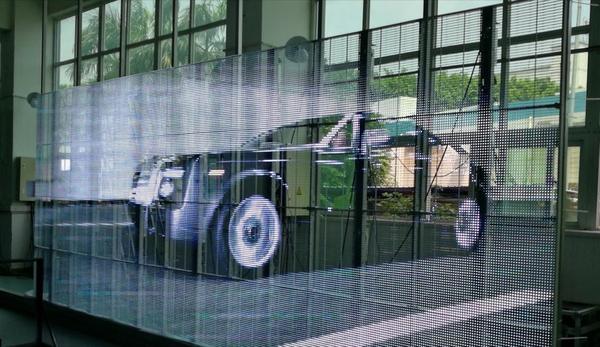
Satélite, State of Mexico
Eight-meter wall on the showroom floor.
Size: 8 × 2 m
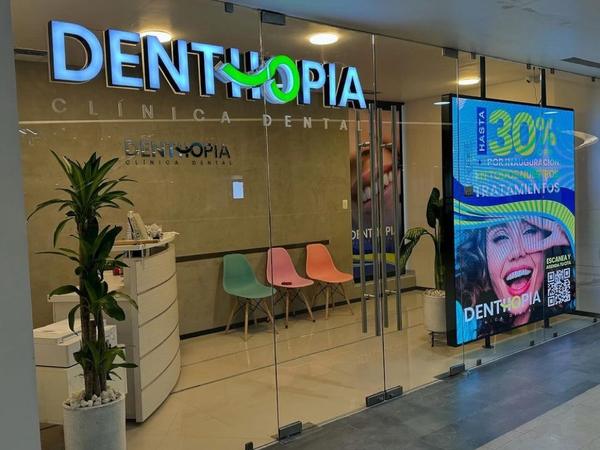
Retail · Clinic
Vertical screen at reception, for promotions and the waiting room.
Size: 2 × 2 m · Model: AVLT3.9 indoor
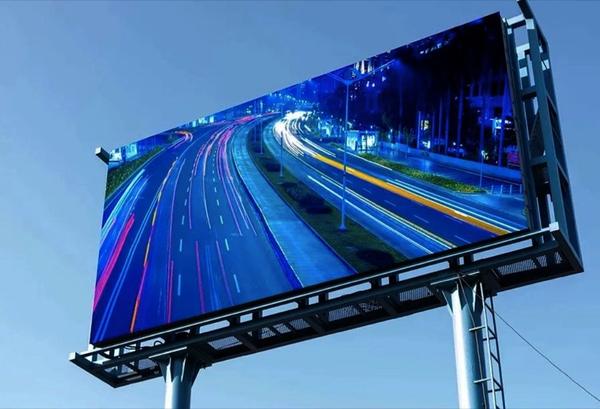
Monterrey, Nuevo León
Large-format billboard for outdoor advertising.
Size: 12 × 8 m · Model: MTO10 · Pitch: 10 mm outdoor
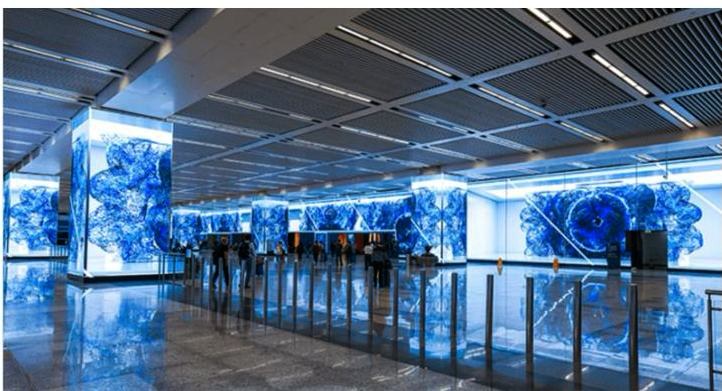
Mexico City
LED wall in the entrance lobby, with continuous content along the entry checkpoints and close-range viewing.
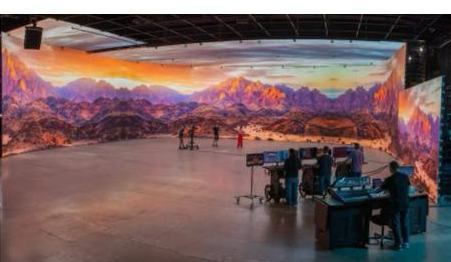
Guadalajara, Jalisco
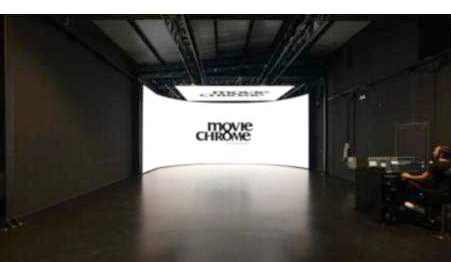
Large-format stage backdrop for a production venue, with the control position at the foot of the screen.
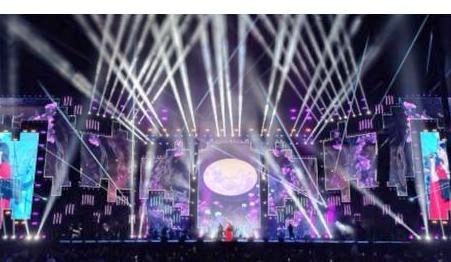
Monterrey, Nuevo León
Main stage screen and side reinforcement screens for live shows.
Querétaro
Screening room with a wall-to-wall LED wall, for dark-room viewing.
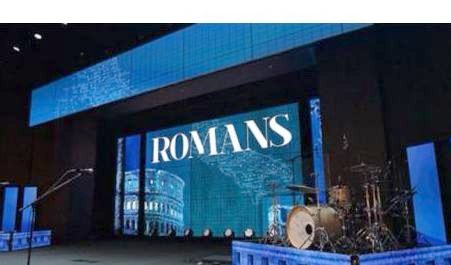
Mérida, Yucatán
Stage LED wall for an auditorium hosting presentations and live music.
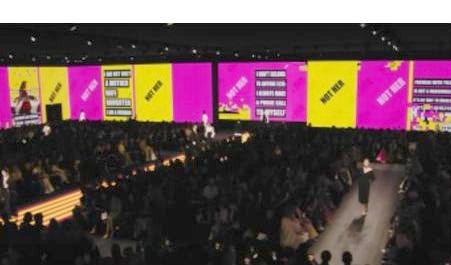
Cancún, Quintana Roo
Perimeter screens for a large-scale events venue, visible from the whole audience.
Sales and installation clients
Three organizations that bought their LED screen from us and left us their comments in writing. Translated from the original Spanish.
Swipe to see more reviews →
We are very satisfied with VideoDesign's service. From the purchase to the installation of our LED screen, we received professional, clear and punctual attention. The team understood our needs, guided us in choosing the right solution and carried out an orderly and efficient installation. The image quality exceeded our expectations and the follow-up support gave us a lot of confidence. We definitely recommend VideoDesign for its experience and commitment.
Our experience with VideoDesign was excellent. They supported us throughout the whole process of buying and installing the LED screen, answering our questions and keeping us informed at every stage. The installation was carried out with great care and professionalism. The end result was a screen with great visual quality that has considerably improved our company's image. We are especially grateful for the team's attention and willingness to help.
We are very happy with the service provided by VideoDesign. The team helped us select the most suitable LED screen for our space and coordinated the installation efficiently. We highlight their punctuality, technical knowledge and attention to detail. The screen works perfectly and offers excellent image quality. The result met our expectations and the process was very simple for us. We highly recommend their work.
Why work with us?
Why VideoDesign
An LED screen is not just bought: it is calculated, installed, configured and operated. Buying the panels is the cheap part of the problem. This is what changes depending on who you buy from.
A manufacturer ships you boxes and a bill of lading; mounting, structure and configuration are left to you. We deliver the screen measured, installed, configured and switched on. One single party responsible, not three suppliers pointing at each other.
We don't depend on one catalog. We specify the equipment from among our partner manufacturers according to your space, your content and your budget, and we tell you which one makes sense even if it is not the most expensive.
Engineered structure, anchoring, power supply and configuration. We don't subcontract the installation to a third party who has never seen that equipment.
We have spent years running these screens live, at events where there is no second chance. That changes what we recommend: we know what fails three hours after switching on and what holds up under the midday sun.
At handover, someone on your team knows how to load content, switch it on and off, and solve the basics. A screen nobody knows how to use is a screen that stays off.
The warranty is backed by the team that installed your screen, not by a factory on another continent, and we have the spare parts here: a damaged module does not wait six weeks for an import order. For a failure we respond within 24 hours in Mexico City and the State of Mexico, and within 48 hours in the rest of Mexico.
Why us
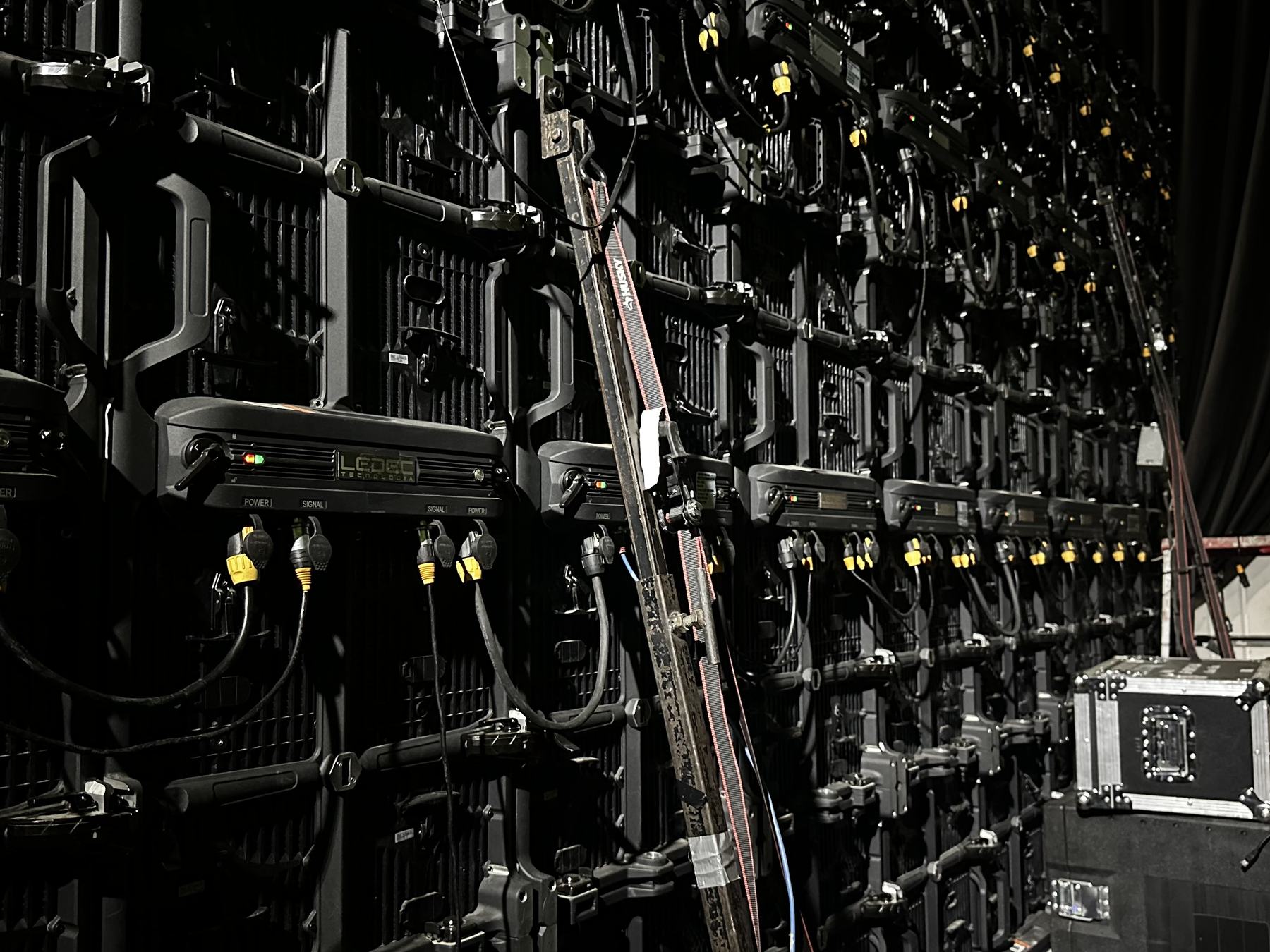
Anyone can import panels. What hardly anyone has is the experience of setting them up, calibrating them and taking them down dozens of times at live events, where a failure shows instantly and there is no way to hide it.
That is how we know which module overheats, how a panel behaves in broad daylight, which structure withstands the wind outdoors and which processor won't crash mid-show. That experience is what we bring to a fixed installation — with the difference that there the screen stays for years, so the decisions made when choosing the equipment weigh much more.
Turnkey
Buying the screen is the easy part. What almost always goes wrong is everything else. Already bought one? We install it too (in Spanish).
We go to the site. We measure viewing distances, ambient light, available power and where the structure can be anchored. That tells us which pixel pitch and brightness fit.
Final size, panel type, resulting resolution, power consumption, structure, lead time and warranty. In writing and with no fine print.
Our partnerships with several manufacturers let us choose the equipment for what the project needs, not for what happens to be in the warehouse.
Structural calculation and fabrication, mounting, cabling and power supply. Outdoors, wind matters more than rain, and the structure is calculated for it.
Video processor, color and brightness calibration, content system and power-on tests. The screen is handed over showing what it has to show.
We train your staff to operate and schedule it, and we stay on as backup. If a module fails, there is someone in the same city to go and check it.
After delivery
We install with the NovaStar system and its cloud. That means your screen can be viewed, checked and operated remotely — and that we do that work, not you. It is the difference between owning equipment and having equipment that is looked after. Bought your screen elsewhere? We maintain it too (in Spanish) ↗
Changing the content, scheduling on and off times, adjusting brightness to the time of day: everything is done from the cloud, without anyone climbing up to the screen or having to learn software.
The platform shows how the screen is performing. The idea is that we find out something has started to fail and call you, instead of you calling us once it is visible from the street.
You can leave the whole week scheduled, or send us the material and we upload it. For a parish or a city hall, this is the difference between using the screen and leaving it switched off.
For a failure: 24 hours in Mexico City and the State of Mexico, 48 in the rest of Mexico. Backed by a two-year warranty and spare parts in stock, so that deadline can be met.
If you prefer to run it with your own people, we teach you and give you access. The operation plan is for those who don't want to deal with it, not a way to tie you down.
The same team that measured your site, calculated the structure and installed the screen is the one that looks after it afterwards. No help desk, no ticket number, no supplier blaming the installer.
Showroom
An LED screen is not chosen from a datasheet. The difference between one pixel pitch and another, or between 800 and 5,000 nits, is understood by standing in front of it — not by reading a number.
You can see the same content on screens with different pixel pitches and at different distances. It is the way to avoid paying for a resolution nobody will notice at your audience distance, or falling short to save money.
If you already have the material you are going to show, bring it. Seeing your own video, logo and colors on the screen says more than any generic demo.
We are at Sassoferrato 61, colonia Alfonso XIII, Mexico City. Write to us and we'll set a day and time; if you tell us what project you have in mind, we'll have the right equipment ready for you.
Which screen is right for you?
Screen types
The pixel pitch is chosen by the audience distance; the brightness, by the light of the place. There is no screen that is good for everything.
Swipe to see more types →
High brightness for broad daylight, sealed against dust and water jets. For facades, public squares and outdoor advertising.
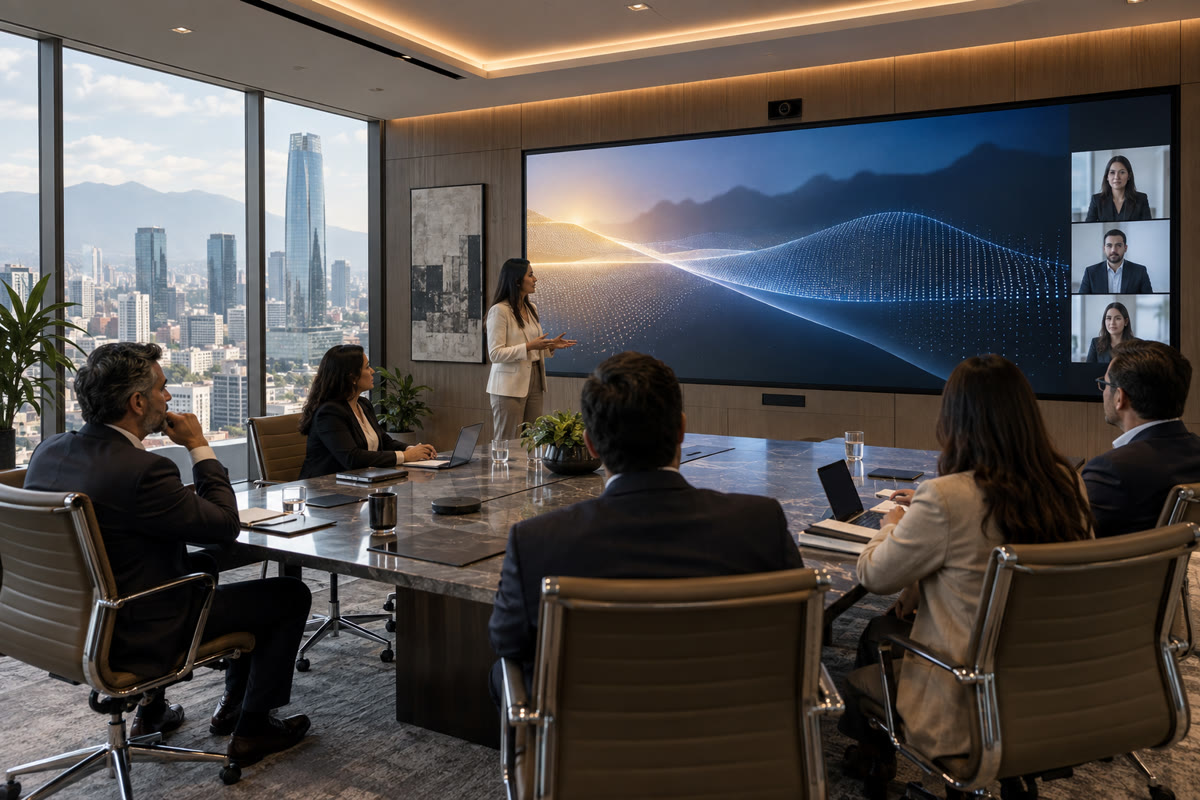
Receptions, auditoriums, churches and meeting rooms. Fine pitch because the audience is close, and controlled brightness so it doesn't bother.
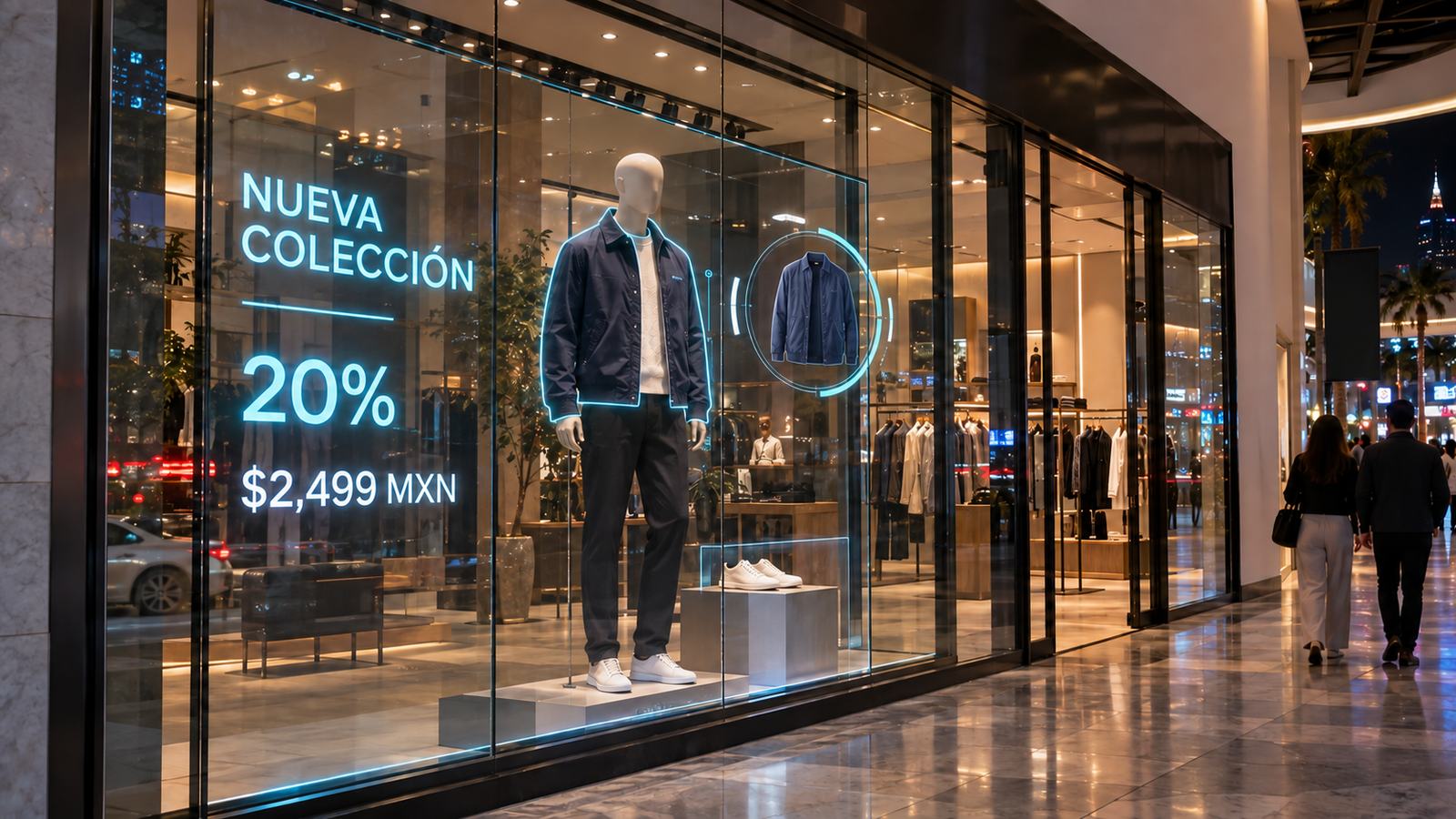
Self-adhesive film installed directly on the glass that adapts to flat or curved surfaces, with no steel structure. You can see through it, so the shop window is still a shop window. Three versions depending on the viewing distance: receptions and showrooms, stores and dealerships, or facades and large storefronts.
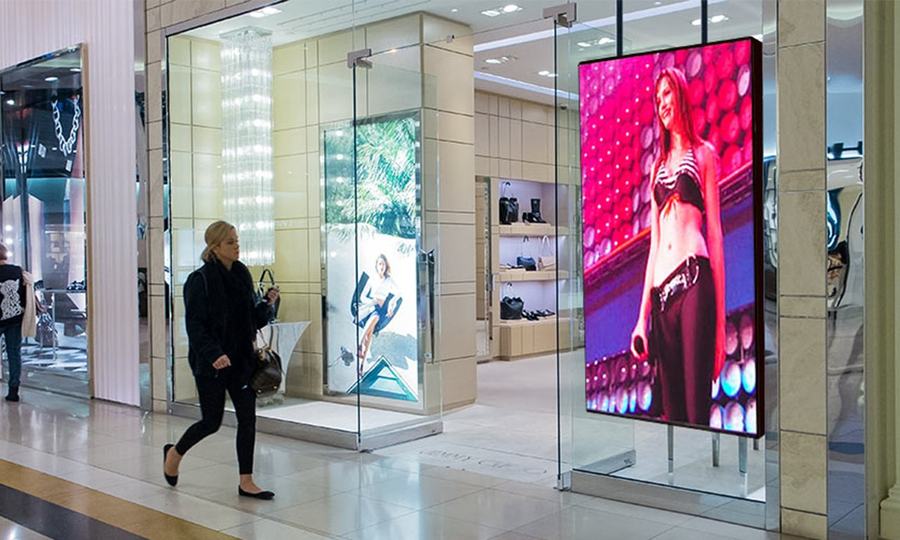
Floor-standing, optionally double-sided, for shopping mall interiors, lobbies and high-traffic spots.
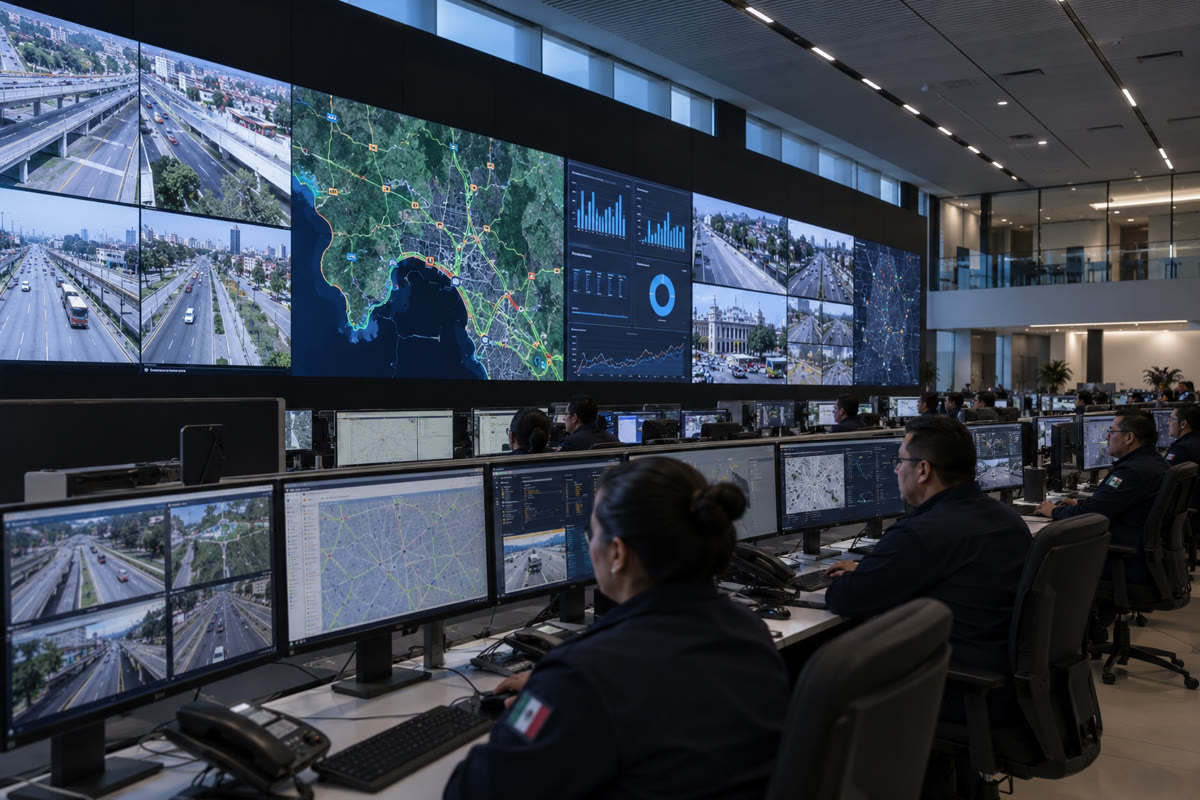
For meeting rooms, monitoring and control centers. Built to the size of the wall and integrated with your video sources.
Built from modular panels, so the proportions adapt to the space instead of forcing the space to fit the equipment.
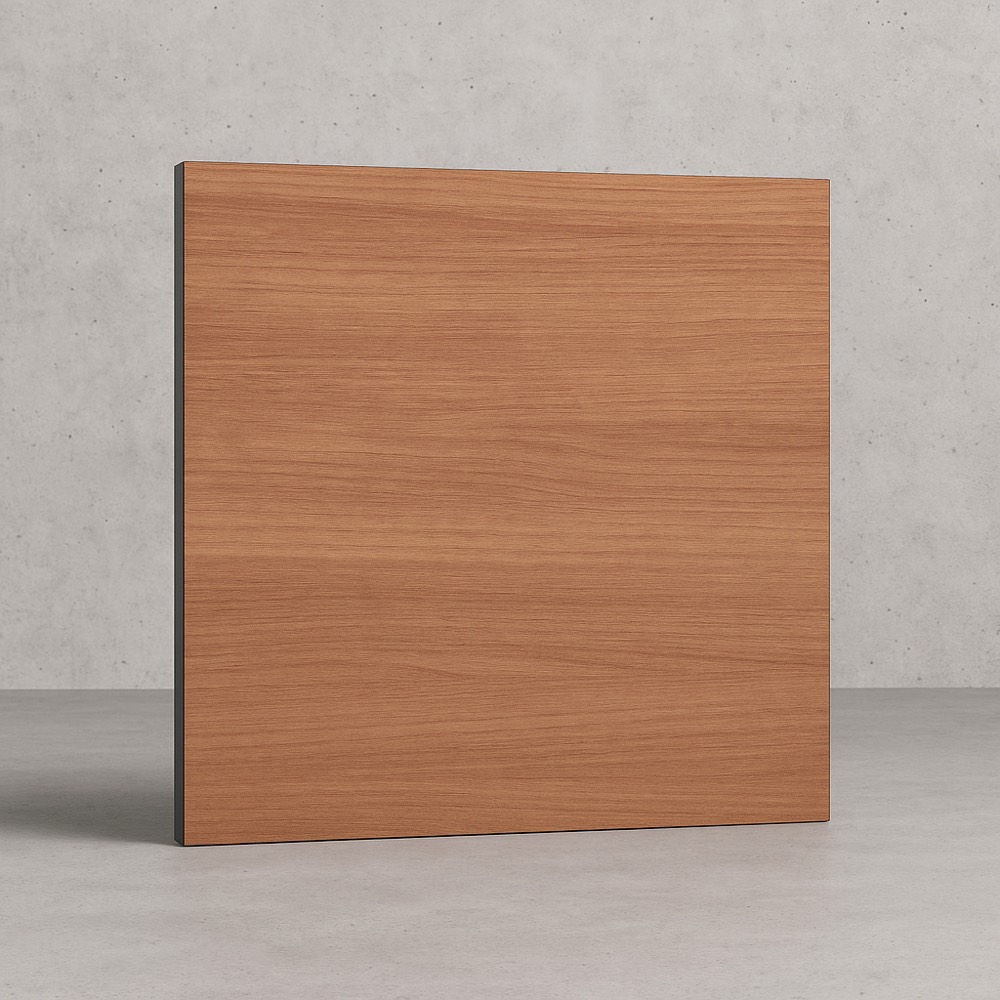
Switched off, it is a wood, marble or concrete wall; switched on, a 4K screen. For lobbies, corporate offices and showrooms where a black screen would break the space.
Shop windows and partitions with transparent OLED, content that changes with the time of day and the weather, anamorphic 3D and AI-powered screens that measure who is watching.
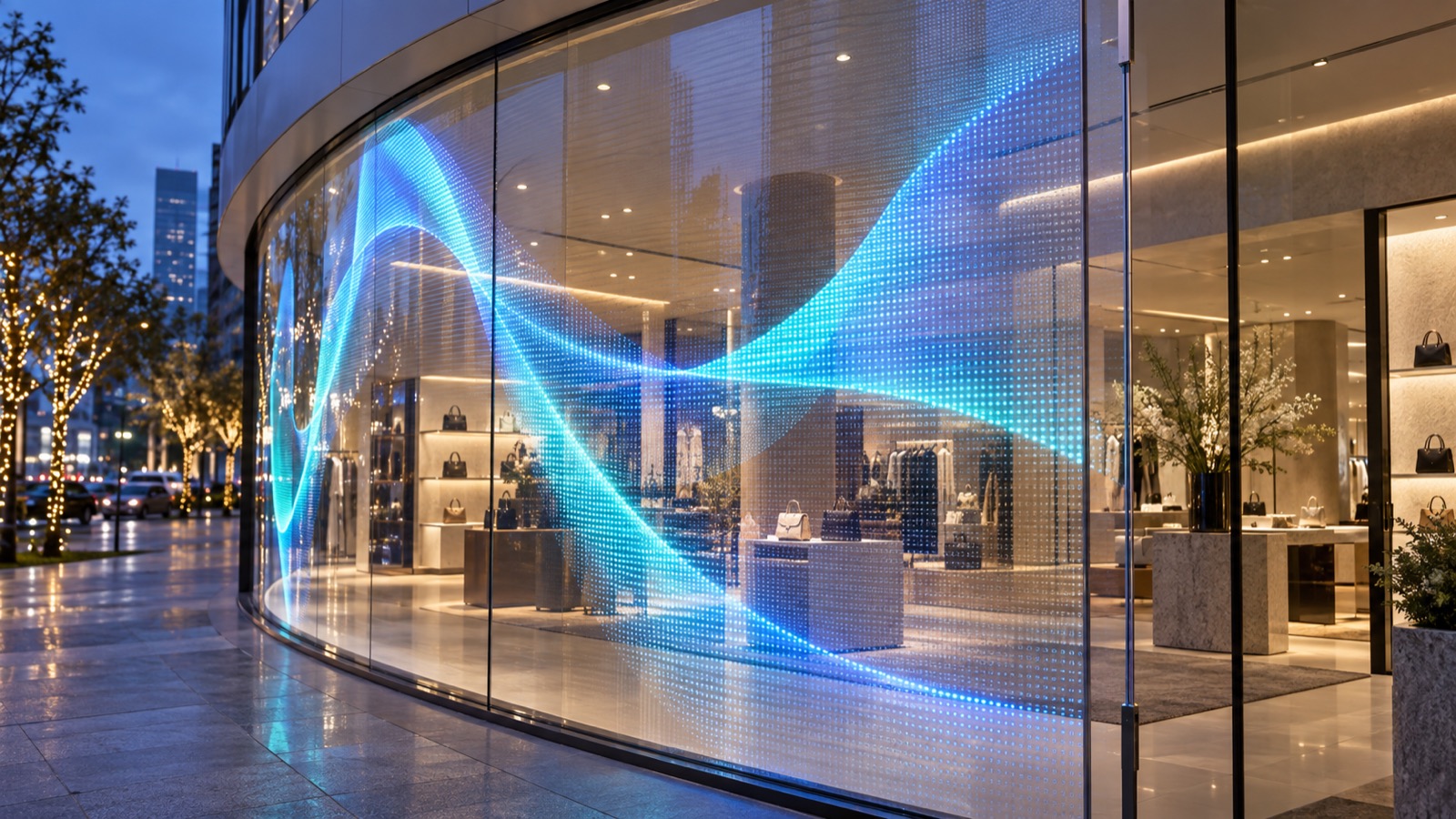
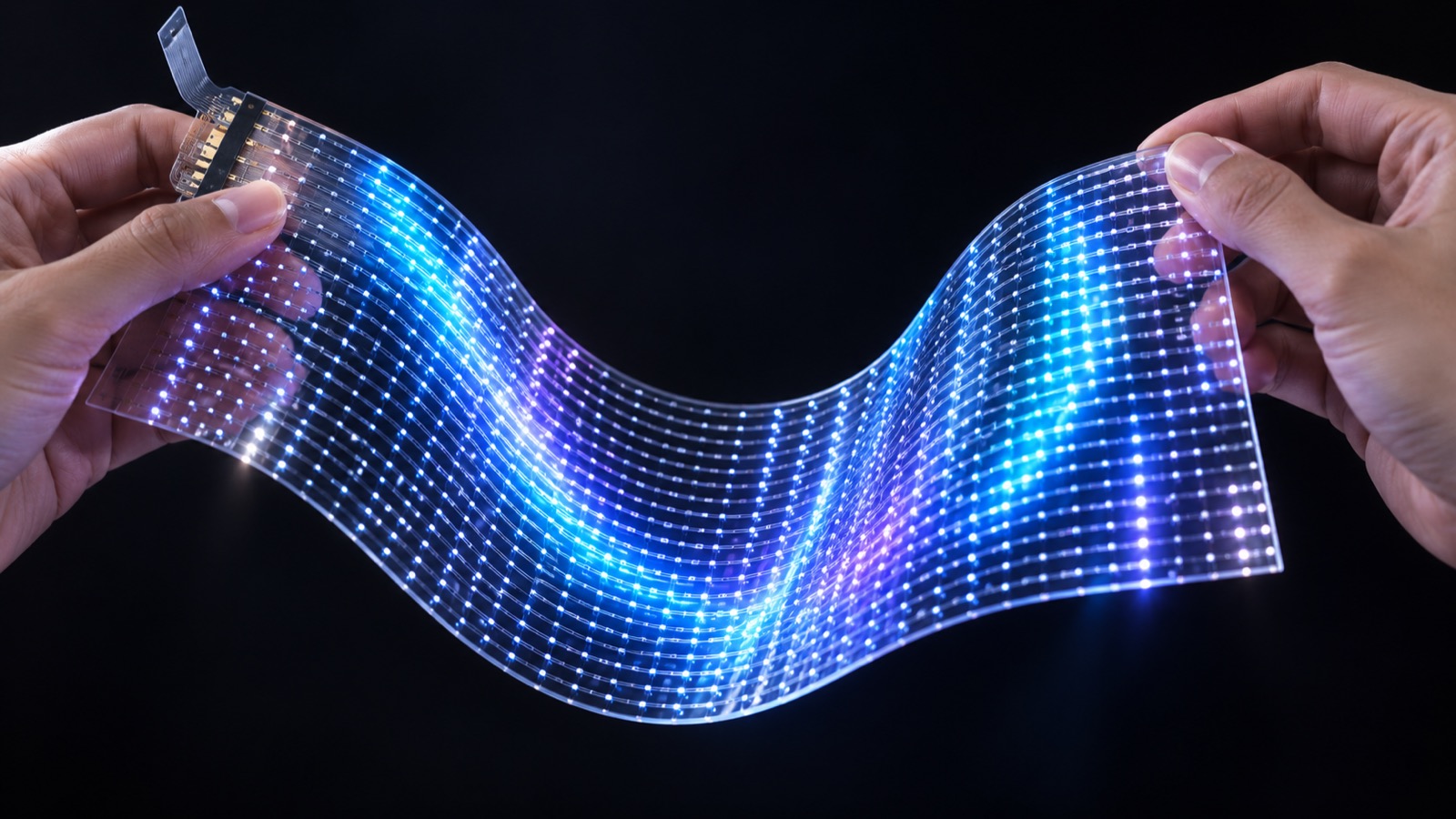
The version is chosen by the distance it will be viewed from: the closer the viewer, the more definition; the farther away, the more it pays to prioritize transparency.
Small shop windows, showrooms and receptions, viewed from about 6 meters or less.
Good definition, more transparency and mid-range cost. Stores, restaurants, car dealerships and corporate glass.
Prioritizes transparency and coverage. Facades and large storefronts, from about 10 meters.
It is an indoor product. Its protection rating is IP30, so it is installed on the inside of the glass: it works for facades seen from the street, but it is not mounted outdoors. If the screen will be exposed to water, the right one is the outdoor IP65.
| Specification | P6 | P8 | P10 |
|---|---|---|---|
| Pixel pitch | 6 × 6 mm | 8 × 8 mm | 10 × 10 mm |
| Density | 27,777 px/m² | 15,625 px/m² | 10,000 px/m² |
| Transparency | 90 % | 92 % | 94 % |
| Brightness | ≥1,500 nits | ≥2,000 nits | ≥2,000 nits |
| Standard module | 1,000 × 240 mm | 1,000 × 240 mm | 1,000 × 240 mm |
| Resolution per module | 166 × 40 px | 125 × 30 px | 100 × 24 px |
| LED type | SMD 2121 RGB | SMD 2121 RGB | SMD 2121 RGB |
| Refresh rate | 3,840 Hz | 3,840 Hz | 3,840 Hz |
| Grayscale | 16 bits | 16 bits | 16 bits |
| Viewing angle | 160° | 160° | 160° |
| Approximate thickness | 2.5 mm | 2.5 mm | 2.5 mm |
| Approximate weight | 5–5.5 kg/m² | 5–5.5 kg/m² | 5–5.5 kg/m² |
| Average power consumption | 200 W/m² | 200 W/m² | 200 W/m² |
| Maximum power consumption | 600 W/m² | 600 W/m² | 600 W/m² |
| Power supply | AC 110–240 V, 50/60 Hz | AC 110–240 V, 50/60 Hz | AC 110–240 V, 50/60 Hz |
| Protection | IP30 · indoor | IP30 · indoor | IP30 · indoor |
| Operating temperature | –20 to 55 °C | –20 to 55 °C | –20 to 55 °C |
| Operating humidity | 10–90 % | 10–90 % | 10–90 % |
| Control system | NovaStar / Colorlight | NovaStar / Colorlight | NovaStar / Colorlight |
| Estimated lifespan | Up to 100,000 h | Up to 100,000 h | Up to 100,000 h |
* Manufacturer reference values, for guidance only and subject to change depending on the model quoted. Viewing distances are references based on the pixel pitch, not guaranteed values. The final specifications —brightness, weight, protection, warranty and certifications— are confirmed in writing in the quote.
Examples in motion
Illustrative videos. Delivered installations, with real photos, are under Projects.
Who it's for
Each one calls for different equipment. The screen that works on a facade is not the one that works in a church.
Public squares, auditoriums, command centers and meeting rooms. We prepare the technical proposal with datasheets, warranty and documentation in the format the tender requires.
Indoor screens for song lyrics, video and streaming. The real challenge is that it reads well from the last pew without dazzling the first row: that is solved by choosing pitch and brightness, not by buying the biggest one.
Outdoor facades, floor totems and transparent screens for shop windows. High brightness so the image holds up in broad daylight, sealed against dust and rain.
Receptions, video walls for boardrooms or monitoring centers, and walls for internal auditoriums. Integrated with your network and your content system.
Catalog
Sixteen series, each with its downloadable datasheet. What changes from one to another is the pixel pitch, the brightness, the weather protection and how it is mounted. The final configuration comes from measuring the site — if you don't know which one is right for you, the calculator will tell you.
All 16 series with their PDF datasheets, on a separate page (in Spanish) so this one stays short.
Work it out yourself
Simulator
The question everyone asks before buying is the same: how will it look there? Take a photo of the lobby, the facade or the church, mark where the screen would go, and see it mounted in your own space. It is a simulation to help you decide, not an installation drawing — the final configuration comes from measuring the site.
Upload a photo to get started.
Your photo never leaves your browser: we do not receive or store it. To generate the screen content we only send a Google artificial intelligence service the content type you chose and the proportions of the marked area. See our privacy notice (in Spanish).
Calculator
The same calculation we do when we visit a site, here and in twenty seconds: which pixel pitch fits, what actual size can be built with full cabinets, how much resolution it gives, how much power it draws and how much it weighs. It is preliminary engineering — the final configuration comes from measuring the site.
Fill in the three measurements to see the technical proposal.
The same text at your size, with four different pixel pitches, seen from the distance you entered. It is not an illustration: each box is drawn at the actual resolution that screen would give.
Fill in the calculator to see the comparison with your measurements.
Return
Your own screen stops being an expense once you sell the ad slots. Adjust the numbers to your case and see how many times each advertiser airs, how much the screen bills per month and how long it takes to pay for itself.
Adjust the numbers to see the projection.
Frequently asked questions
If something is missing, write to us on WhatsApp and we'll answer with no obligation.
We sell the complete project, with supply and turnkey installation: survey, calculation, supply, structure, installation, configuration, testing, training and service. And if you already bought your screen from another supplier, we install it too (page in Spanish).
High-brightness outdoor with IP65, indoor, modular video wall, floor totem and transparent for shop windows —the latter lets light through and doesn't block the storefront.
By the minimum audience distance, not by the budget. As a rule of thumb, the meters of comfortable viewing are close to the pitch number: a 3.9 mm looks good from about 4 meters; a 2.9 mm from 3. Paying for more resolution than the eye can tell apart is money wasted; paying for less shows right away.
Yes. We have already delivered and installed LED screens for government, and we prepare the technical proposal with datasheets, warranty and documentation in the format the tender requires.
Depending on the panel and size, up to 8 weeks for special projects. We work with several partner manufacturers, so the proposal gives the real lead time for that equipment —separating supply from installation— and not a generic estimate.
Two years, backed by the team that installed it. We have spare parts in stock, so a damaged module or power supply is replaced without waiting for a factory order. For a failure we respond within 24 hours in Mexico City and the State of Mexico, and within 48 hours in the rest of Mexico. The terms are set out in writing in the proposal.
Your staff, and we train them as part of the project. We leave the content system configured. If you'd rather not deal with it, we also provide operation and maintenance.
Because the importer sells you boxes and that is where their responsibility ends. We answer for the installation working and staying that way: survey, structure, configuration, training and service. The screen is the cheap part of the problem.
Quote your project
Knowing the place, the approximate size and how far away people will be, we can propose the panel type, pixel pitch and structure. If you have photos of the site or a floor plan, even better. Outside Mexico City? Do a remote site inspection (form in Spanish).
Personalized response in less than 24 business hours.
We quote the screen installed and working: supply, structure, configuration and training. We don't sell loose panels for someone else to install. Already bought your screen? We install it too (in Spanish).
